
Debt Settlement
Should I Settle With a Debt Buyer or the Law Firm?
Settling before a lawsuit—while the debt is still with the collector—can offer more flexibility than waiting until it’s sent to a law firm.
The Solo debt collection blog. Find helpful posts on how to resolve your debt lawsuit here.
Settling before a lawsuit—while the debt is still with the collector—can offer more flexibility than waiting until it’s sent to a law firm.

How to calculate a debt settlement offer involves many factors: the total amount owed, the funds you have available, when the debt became delinquent, and more.

40% to 60% is usually a viable range for debt settlement negotiations, but many factors play in to the final settlement amount. The type of debt is one of them.

Creditors weigh delinquency, hardship, age of debt, bankruptcy risk, and your ability to pay. Lump sums and older debts often increase settlement odds.

Paying a defaulted debt in full is usually the best option. However, if you can’t pay in full, payment plans and lump sum settlements are close seconds.

After judgment, creditors often accept 40–70% in a lump sum or 70–90% on a payment plan, depending on your finances and their ability to collect.

Debt settlement lets you pay less than you owe to resolve debt. It may hurt credit but can help avoid lawsuits. Always get terms in writing.
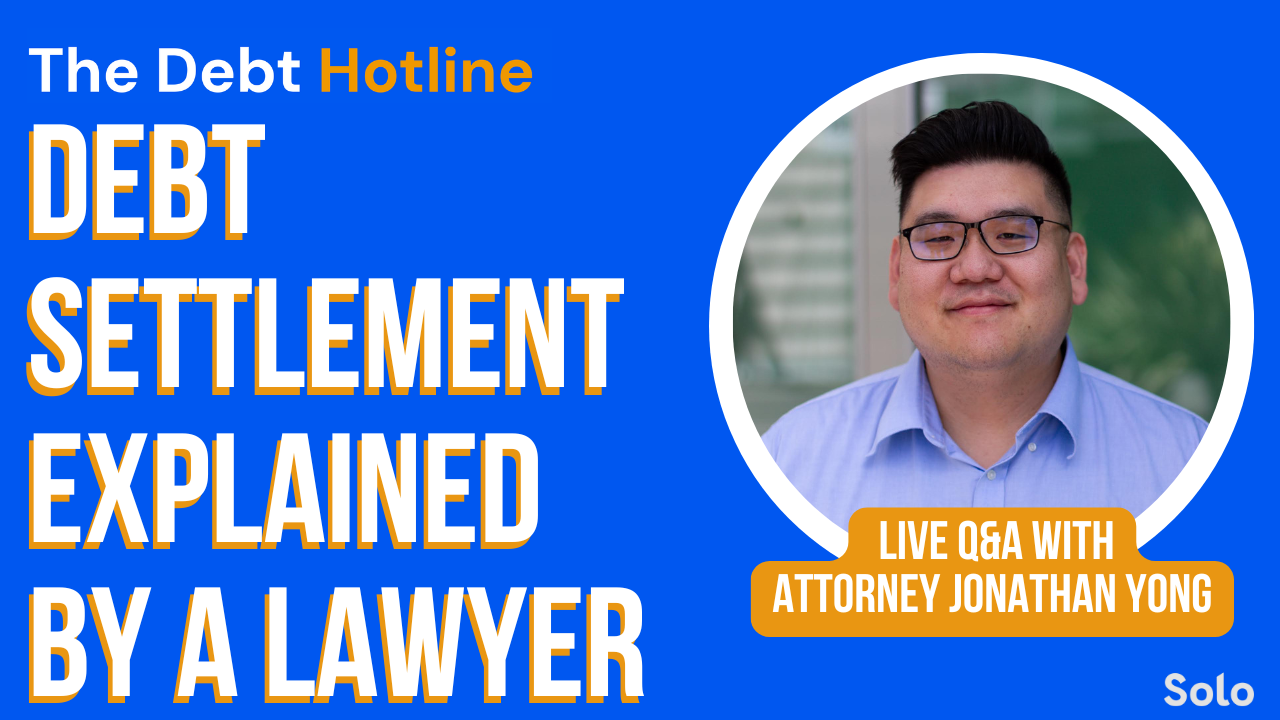
A lawyer's view: debt settlement works when you have a lump sum, can accept credit damage, and the debt is unsecured. Get every agreement in writing.

Follow these 5 steps to settle debt legally: Verify the debt, know your rights, assess what you can pay, make an offer (use SoloSettle), and get it in writing.

Negotiate credit card debt settlement yourself by calling the issuer, offering 40-60% in a lump sum, and getting the agreement in writing before paying.

Debt collectors may prefer settling outside court because lawsuits are lengthy and costly, and outcomes are not guaranteed.

To negotiate with debt collectors, verify the debt, make a fair initial offer, be prepared for counteroffers, and document your agreement in writing.