
The Debt Hotline
What Stays on My Credit Report After I Settle a Debt?
When you settle a debt, the account usually stays on your credit report. It's typically marked as "Settled" or "Paid for less than full balance."
When you settle a debt, the account usually stays on your credit report. It's typically marked as "Settled" or "Paid for less than full balance."

You can still settle debt even after wage garnishment. Use leverage, offer lump sums, negotiate payment plans, and always get agreements in writing.

A lawyer's view: debt settlement works when you have a lump sum, can accept credit damage, and the debt is unsecured. Get every agreement in writing.

The Shred Method redirects your income into smarter, targeted payments focusing on principle, not interest. This method can accelerate debt pay-off.

Yes, you can negotiate with the IRS through three main options: offer in compromise, installment agreements, and currently non-collectible status.

There's no minimum debt amount required to file bankruptcy. The decision depends on whether debt is preventing your financial progress.

Build wealth while in debt: invest small amounts weekly, tackle high-interest debt, save alongside it, know good vs. bad debt, and automate everything.

To buy a home while in debt: FHA covers down payments, VA loans skip credit checks for vets, and rentals can boost qualification.

Sued for debt? File an Answer before your state's deadline (between 20-45 days) to prevent default judgment. Arbitration can also give you settlement leverage.
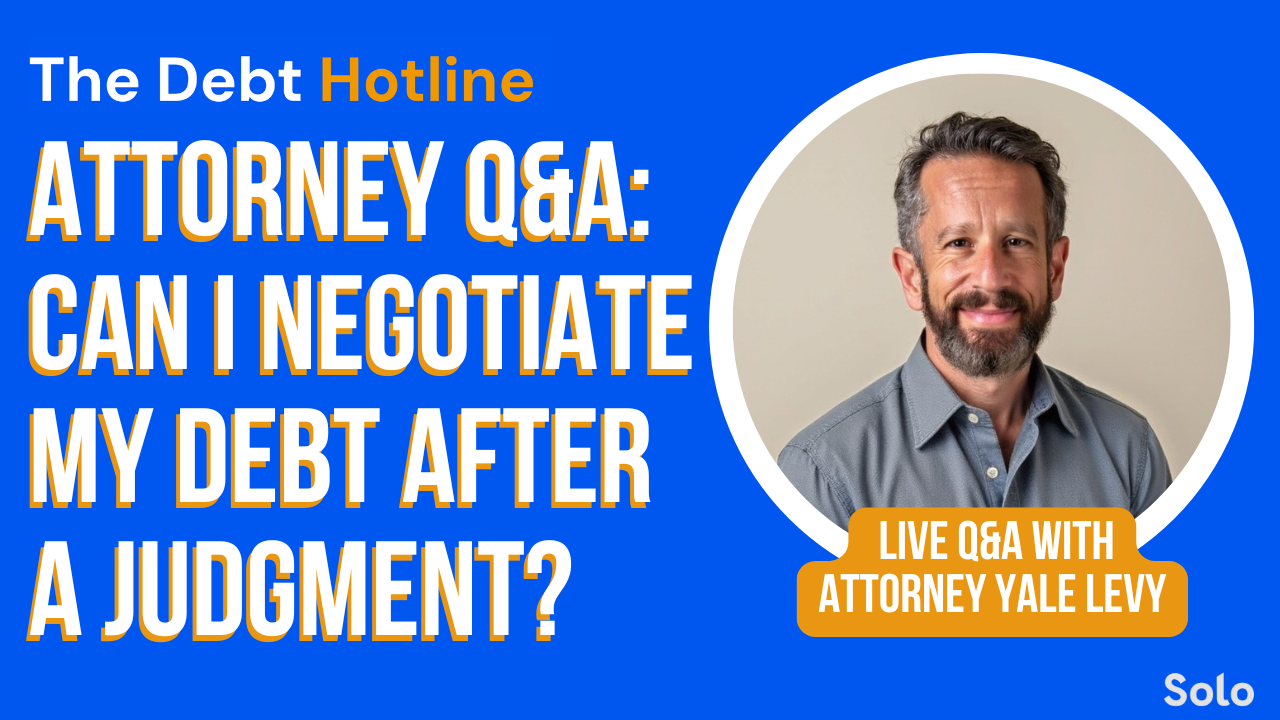
Yes, you can negotiate debt after a judgment, but it costs more—typically 60–80% post-judgment vs. 20–40% before a lawsuit. Earlier negotiation = better deals.

File Chapter 7 bankruptcy for free using tools like Upsolve, paying only the $338 court filing fee. Most people erase $40K–$100K in debt within 6 months.

Protect yourself from predatory lending by recognizing the warning signs: interest rates over 36%, pressure to borrow more than needed, and complicated terms.